|
In Costa Rica, One Person Each
Hour Dies Of A Heart Attack
A healthy heart is vital for
living life to the full,
regardless of age or gender. In
Costa Rica, on average, one
person dies each hour due to a
heart attack.
Yesterday was World Heart Day.
And the objective was to educate
the public about the importance
of maintaining a healthy heart
and cardiovascular disease that
kills 17 million around the
world each year.
Controlling the major
cardiovascular risk factors, by
choosing a healthy diet, being
physically active and by not
smoking can prevent heart
attacks and strokes and may help
the heart to age more slowly.
That's why this year's World
Heart Day, under the theme "How
Young is Your Heart?",
encouraged people around the
world to adopt a heart-healthy
lifestyle to help maintain a
young heart for life.
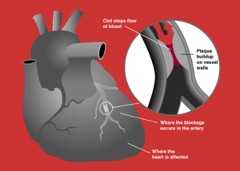
According to the Word Heart
Federation (WHF), in 2005 more
than 13 million died from
myocardial infarcion, a disease
that occurs when the blood
supply to a part of the heart is
interrupted, causing death of
heart tissue, and cardiovascular
disease.
Although many believe the
contrary, 80% of the deaths
occur in low and middle-income
countries and not only in rich
countries.
Another myth is that heart
disease is an old person's
disease. Fact is that Children
are at increasing risk, for
example, through tobacco smoking
(active and passive),
overweight, obesity and lack of
physical activity. More than
one-third of these deaths occur
in middle-aged adults. Globally,
cardiovascular diseases account
for as many deaths in young and
middle-aged adults as HIV/AIDS.
The positive is that 80% of the
heart attacks and cardiovascular
diseases are preventable. With
positive action at population
and individual level, the death
and disability resulting from
heart disease can be reduced by
more than 50%.
Another myth is that only men
are seriously affected. In fact,
deaths among women due to heart
disease are eighteen times
higher than breast cancer.
You can help prevent a heart
attack by knowing about your
risk factors for heart attack
and taking action to lower your
risks. You can lower your risk
of having a heart attack.
To prevent a heart attack, you
will most likely have to make
lifestyle changes. Eat a healthy
diet to prevent or reduce high
blood pressure and high blood
cholesterol, and maintain a
healthy weight. If you smoke,
quit. Exercise.
And lose weight if you are
overweight or obese.
In addition to making lifestyle
changes, you can help prevent
heart attacks by treating
conditions you have that make a
heart attack more likely: high
blood cholesterol, high blood
pressure, and high blood sugar
(diabetes).
Consider a low-dose aspirin. The
recommended regimen — a baby
aspirin (81 milligrams) daily or
half a regular aspirin (160
milligrams) very other day—can
lower the risk of heart attack
by about one-third by reducing
the ability of platelets in the
blood to stick together and thus
form a clot. However, Aspirin
can have side effects and isn't
right for everyone, so be sure
to consult with your physician
first.
Stay active. Exercise helps the
heart work more efficiently,
reducing blood pressure, raising
HDL cholesterol, decreasing the
tendency of blood to form clots,
moderating stress, helping the
body use insulin, and helping
people maintain a healthy
weight. Sedentary people who
begin a regular program of
exercise reduce their risk of a
heart attack by 35 to 55%.
Low-intensity activities, such
as gardening or walking, if done
regularly and over the long
term, can decrease the risk of
heart attack.
Consider a drink a day. There's
a growing consensus that light
to moderate alcohol consumption
— that is, two drinks or less a
day for a man, one drink for a
woman (a drink is defined as 12
ounces of beer, 4 ounces of
wine, or 1.5 ounces of 80-proof
spirits) can help prevent heart
attacks. However, drinking more
than that can increase the risk
of heart attack and stroke, as
well as cirrhosis, cancer, and
accidents.
|
|