|
14 Cellular Phones Per Hour
Stolen; Thieves Look to Portable
Computers With Changes in
Cellular Phone Network Security
According to the Instituto
Costarricense de Electricidad
(ICE) 10.000 cellular telephones
a stolen each month. Doing the
math, that means 14 cellular
phones every hour or one phone
stolen every 4.2 seconds.
The black market for cellular
telephones is a lucrative one. A
stolen cellular phone can be
sold to black market wholesalers
for ¢10.000 to ¢20.000 colones
and resold to unsuspecting
consumers from two to fives
times that, depending on the
make and model.
Buying a new cellular phone
doesn't guarantee that it is
new. It could be stolen or
refurbished and passed as new.
The only way to guarantee that
the phone is absolutely new is
to purchase it from a reputable
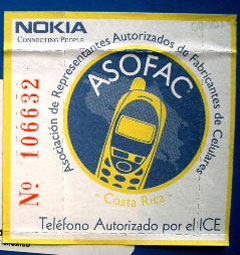
retailer and look for the ASOFAC
(Associación Representates
Autorizadas de Fabricates
Celulares) label.
The majority of stolen cellular
telephones are of the GSM
technology, which easily
facilitates the interchange of
SIM chips that allow the
telephone to connect to a
cellular network. TDMA phones
have to be taken to the ICE
offices for a change of number.
But that will all change with
the new GSM system that should
be available in the first week
of December. ICE says that the
new GSM network will permit the
state monopoly on
telecommunications to register
the phone associated with the
telephone number and once
reported stolen or lost, that
phone cannot be connected again
to the network unless authorized
by the owner.
So, thieves are now looking to
fill the void that will caused
by the change and are looking at
portable computers, also known
as notebooks and digital
cameras.
Notebooks are smaller and weigh
less than their predecessors and
have become easy carry anywhere.
And with the introduction of
wireless network internet access
in many locations - major
hotels, coffee shops and
shopping centres now offer
wireless internet to their
visitors - it means notebooks
are being carried around more
and more. And like digital
cameras, it is easy to be
distracted in a fraction of a
second, the notebook is gone.
Unlike the new GSM network,
there is no possibility of
disabling the computer or
digital camera from a network,
rendering it useless in Costa
Rica.
Police say they have detected
already one group that is active
in the theft of computers.
Usually there are several people
involved, one causing the
initial distraction, while and
accomplice continues the
camouflage and another or others
make away with the computer,
quickly placed in computer bag.
Police fear that, like car
thieves who use the "bajonazo"
(pointing a gun at the driver
who is asked to hand over the
keys and the car) the same could
occur with thefts of portable
computers. A car can be tracked
and chased by police, however, a
notebook computer, quickly
tucked into a bag is impossible
to trace and track.
Tourists are the most common
victim of this type of theft,
mainly because they are
unsuspecting and second, it is
unlikely they will stick around
to make a complaint, let alone
wait for the trial to testify.
|
|