


Costa Rica set to explain itself to human rights court on Thursday
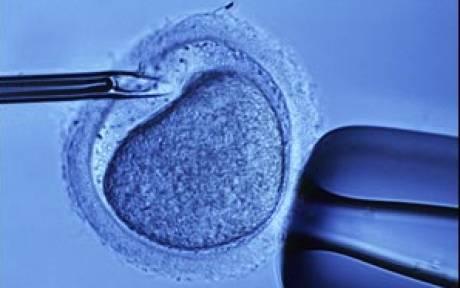
(ICR Archive)
October 15th, 2015 (ICR News) Costa Rica is set to explain itself to the Inter-American Court of Human Rights on Thursday over the decision of the country’s Constitutional Court earlier this month to suspend a September executive decree that authorized the assisted reproduction technique, in-vitro fertilization (IVF).
The administration’s September decree allowing the procedure came just hours before a deadline set by the Inter-American Court of Human Rights, which ruled in 2012 that the country’s IVF ban infringed on citizens’ fundamental rights, but a ruling by Costa Rica’s Constitutional Court earlier this month suspended the decree pending the resolution of an appeal filed by Christian lawmakers.
The Constitutional Court has no deadline to resolve the appeal, which could significantly delay the availability of the treatment in Costa Rica – or even reinstate the ban – which had been in place since 2000.
For its part, the Solis administration stands by the decree, which it says is constitutional.
In-vitro fertilization had been banned in Costa Rica – an officially Catholic country – since 2000 under pressure from the Church, and has long been the only country in the Americas to ban the reproductive procedure.
For their part, lawyers representing families who have been denied IVF have argued that the country’s Constitutional Court is not competent to rule on the issue, as in Costa Rica international treaties and agreements approved by the Legislature – such as that granting the Inter-American Court of Human Rights jurisdiction in Costa Rica – take precedent.
The Inter-American Court of Human Rights has argued since 2012 that Costa Rica’s ban on IVF infringes on citizens’ fundamental rights.

ATTENTION: If you are seeing this message,
- costarick

