


Costa Rica’s ICE slashes use of fossil fuels by a remarkable 94 percent
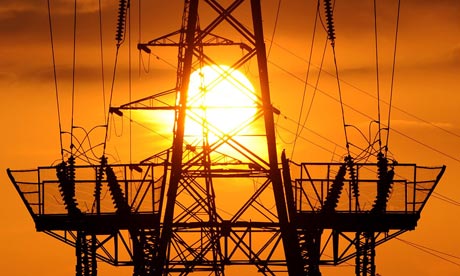
(ICR Archive)
September 28th, 2015 (ICR News) The Costa Rican Electricity Institute (ICE) slashed its use of fossil fuels for electric generation a remarkable 94 percent during the first eight months of this year compared to the same period in 2014, according to purchase records provided by the Costa Rican Oil refinery (RECOPE).
Between January and August 2014, ICE purchased 262 million liters of fuel oil for electric generation, compared to just 15 million liters during the same period this year.
Besides the environmental benefits of burning less fuel oil, ICE has saved millions of dollars this year. The company spent US $219 million to purchase fuel oil during the first eight months of last year, compared to just US $5 million during the same period this year, a cost savings of $214 million.
The decrease in the use of fossil fuels has been the result of unusually intense rainfall this year, especially in areas where ICE needs it for its hydroelectric reservoirs.
Despite significant drought in some areas of the country, especially northwest Guanacaste, other areas have seen a significant increase in rainfall, both the result of the ongoing El Niño weather phenomenon, according to climatologists.
Lake Arenal – the country’s largest hydroelectric reservoir, was nearly 30 feet deeper in August than ICE had previously forecast it to be. The bulging reservoir has meant a lot of spare generating capacity, which ICE has been using to generate electricity for export on the regional grid to Panama and Nicaragua.
ICE set a new record in August, having generated 100 percent of Costa Rica’s electricity needs using only renewable energy sources for 94 straight days.
Some 77.6 percent of the electricity generated during the period came from hydroelectric power plants; 12.34 percent was from geothermal sources; 10.05 percent came from wind power; and 0.01 percent from solar panels.
Clean sources will account for nearly 93 percent of the electricity generated this year, ICE predicted last month.
Despite the excess capacity and the cost savings from not needing to burn fossil fuels, however, ICE requested a rate hike of 13.7 percent to regulator ARESEP last month.
In addition, ICE last week requested an 8.17 percent rate hike as part of its standard annual rate adjustment for 2016.
ICE has also significantly increased its wholesale rates at which it sells energy to other utilities, including its subsidiary, the National Power and Light Company (CNFL).
The increased wholesale rates forced CNFL – which provides power to most of the San Jose metro area – to request this month a whopping 35.56 percent increase in the rates paid by its customers that would take effect in December. Regulators are currently reviewing the request.

ATTENTION: If you are seeing this message,
- prdatki

