


United States congratulates Costa Rica on 194 years of independence
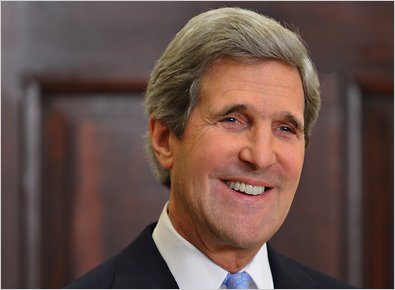
(White House photo)
September 15th, 2015 (ICR News) The United States is congratulating Costa Rica on its 194th year of independence, celebrated each year on September 15th.
“On behalf of President Obama and the people of the United States of America, I congratulate the people of Costa Rica as you celebrate your 194th year of independence on September 15, 2015,” US Secretary of State, John Kerry said in a statement.
“The friendship between Costa Rica and the United States is rooted in the common values that our countries share. We look forward to continuing to build upon our partnership in strengthening democratic institutions, expanding inclusive economic growth, confronting climate change, and making our communities safer.
More than one million U.S. citizens visit your country each year, a testament to Costa Rica’s enduring beauty and environmental riches as well as the cultural and economic ties that bind our two nations together.
‘Pura vida and best wishes for a festive and jubilant celebration,’ Kerry said.
Costa Rican Independence*
Like the rest of Central America, Costa Rica never fought for independence from Spain. On September 15, 1821, after the final Spanish defeat in the Mexican War of Independence (1810–21), the authorities in Guatemala declared the independence of all of Central America. That date is still celebrated as Independence Day in Costa Rica, even though, technically, under the Spanish Constitution of 1812 that had been readopted in 1820, Nicaragua and Costa Rica had become an autonomous province with its capital in León.
Like other Central American nations, Costa Rica joined the short-lived First Mexican Empire of Agustín de Iturbide but, after its collapse in 1823, Costa Rica became, instead, a province of the new Federal Republic of Central America, which theoretically existed from 1823 to 1839, but which exercised a very loose authority over its constituent provinces, particularly the poor and remote Costa Rica. In 1824, the Costa Rican capital was moved to San José, leading to a brief outburst of violence over rivalry with the old capital, Cartago. While civil wars raged both among the provinces of the Federal Republic of Central America and between political factions within individual provinces, Costa Rica remained largely at peace.
In 1838, long after the Federal Republic of Central America ceased to function in practice, Costa Rica formally withdrew and proclaimed itself sovereign.
*From Wikipedia

ATTENTION: If you are seeing this message,
- dr meno
- john wood
- dr meno
- SDPUS
- Ben

