


IVF decree leaves CCSS looking for additional US $467 million annually, nearly 1 percent of GDP
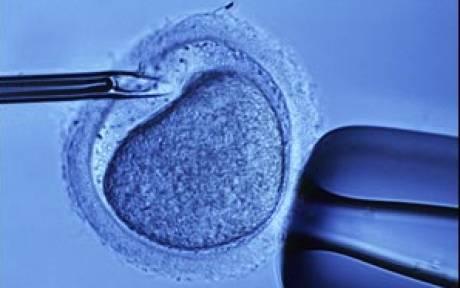
(ICR Archive)
September 14th, 2015 (ICR News) Costa Rican president, Luis Guillermo Solis signed an executive decree late last week that authorities in vitro fertilization (IVF) to take place in the country, which had been banned since 2000.
While the move has been applauded by many, the decree leaves Costa Rica’s public health and social security administration, known as CCSS or “La Caja,” just two years to find more than US $450 million per year in additional budget to pay for the for more than 3,000 couples that are expected to turn to the public health system to receive the procedure each year, according to estimates made by CCSS in July.
CCSS expects to spend a total of some ¢60 million (about US $112,000) per patient that undergoes IVF treatment between the time that fertility treatment is begun and a baby is successfully delivered. That means, according to CCSS estimates, the procedure will cost public health about ¢250 billion (US $467 million) per year, or nearly 1% of the country’s entire GDP.
Though CCSS’s estimates include the cost of childbirth and delivery in addition to IVF therapy, the estimated costs are much higher than in other countries.
In the United States, for example, an average “cycle” of IVF treatment costs an average of just $12,400, according to the American Society of Reproductive Medicine (ASRM). That figure doesn’t include medications, which are typically another $5,000.
A woman has around a 35 to 40 percent chance of getting pregnant from a single cycle, meaning that an average of three cycles are necessary to achieve successful IVF treatment resulting in pregnancy, or a total cost of about $52,200, not including childbirth and delivery which typically cost an additional $10,000 to $20,000.
In neighboring Panama, an IVF cycle at a private clinic can cost as little as $2,500, meaning a successful IVF therapy resulting in pregnancy should cost an average of just $7,500 plus medications, childbirth and delivery.
The executive decree does not including pricing regulation, so private clinics and hospitals in Costa Rica are free to determine their own pricing for the procedure, should they elect to offer it.
In-vitro fertilization had been banned in Costa Rica – an officially Catholic country – since 2000 under pressure from the Church, and has long been the only country in the Americas to ban the reproductive procedure.
The Catholic Church has said it opposes the procedure because many IVF cycles are not successful, leading to the loss of life of fertilized eggs.
The decree signed by President Solis prohibits fertilized eggs from being discarded or destroyed, which might partially explain the higher estimated cost.

ATTENTION: If you are seeing this message,
- prdatki
- stfree
- http://insidecostarica.com/ Timothy Williams
- stfree

