


U.S. Treasury targets ‘Los Cachiros’ in Honduras
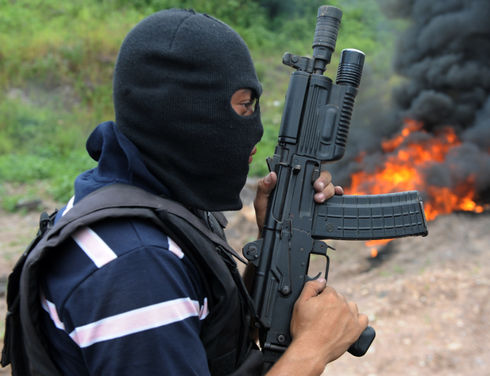
The U.S. Treasury Department thanked the Honduran government for its support after the U.S. government levied sanctions on Sept. 19 against seven individuals and five businesses linked to the Los Cachiros, a Honduran-based narco-trafficking organization. The sanctions mark a major step in bolstering Honduras’ counter-narcotics fight, which includes burning seized narcotics. (Orlando Sierra/AFP)
The United States government levied sanctions on Sept. 19 against seven individuals and five businesses linked to Los Cachiros, a Honduran-based narco-trafficking organization, according to the U.S. Treasury Department.
Brothers Javier Eriberto Rivera Maradiaga and Devis Leonel Rivera Maradiaga, who are the gang’s alleged leaders, were designated as narco-traffickers along with several of their family members who allegedly play a role in Los Cachiros’ international narco-trafficking. Santos Isidro Rivera Cardona (father), Esperanza Caridad Maradiaga López (mother), Maira Lizeth Rivera Maradiaga (sister), Santos Isidro Rivera Maradiaga (brother), and Bismarck Antonio Lira Jirón (a Nicaraguan cell leader for Los Cachiros) also were sanctioned.
“Los Cachiros is a violent drug-trafficking organization in Honduras whose members plow illicit drug proceeds into businesses and properties to gain public legitimacy and launder their wealth,” U.S. Treasury Director of the Office of Foreign Assets Control Adam J. Szubin said in a prepared statement. “Treasury will continue its work to disrupt the criminal activities of Los Cachiros members and expose them for what they are – drug traffickers and money launderers.”
The sanctioned Honduran businesses, which are owned or overseen by the Maradiaga brothers or their relatives include Ganaderos Agricultores del Norte, S. de R.L. de C.V.(cattle and agriculture); Palma del Bajo Aguán, S.A. (African palm oil production); Minera Mi Esperanza, S.A. (mining manufacturing); Inmobiliaria Rivera Maradiaga, S.A. de C.V. (road construction); and Inversiones Turísticas Joya Grande, S.A. de C.V. (zoo and eco-tourist park). The businesses are suspected of laundering Los Cachiros’ money.
The sanctions, established under the Foreign Narcotics Kingpin Designation Act, freeze any assets held by the individuals or businesses and make it illegal for any U.S. entity or citizen to conduct financial or commercial transactions with them.
Los Cachiros coordinates the trafficking of narcotics for Colombian and Mexican cartels and organized crime groups. The gang reportedly controls 90% of illegal airstrips in the Central American nation. Nearly 90% of the cocaine that reaches the United States comes through Mexico and Central America, according the United Nations International Narcotics Control Board.
In August 2012, the Nicaraguan government charged Javier Eriberto Rivera Maradiaga and Bismarck Antonio Lira Jirón – Rivera Maradiaga’s suspected associate – with conspiracy to traffic narcotics internationally, money laundering, illicit financing of narcotics and organized crime. Lira Jirón was taken into custody by Nicaraguan authorities later that month.
Szubin thanked the Honduran government, the U.S. Drug Enforcement Administration (DEA), and the U.S. State Department for their support and cooperation.
“Drug traffickers and money launderers are put on notice: DEA in coordination with our foreign partners will identify, investigate, indict, and seek extradition of international drug traffickers and money launderers,” DEA Acting Deputy Chief of Operations for the Office of Financial Operations Brian M. McKnight said in a prepared statement. “We will seize their assets and ensure they will face justice for distributing illegal drugs. Los Cachiros organization will be held accountable for their federal drug trafficking crimes.”
The U.S. Treasury has designated more than 1,300 individuals and entities linked to 103 drug kingpins since June 2000. Penalties for violations of the Kingpin Act range from civil penalties of up to US$1.075 million per violation to more severe criminal penalties.
Criminal penalties for corporate officers may include up to 30 years in prison and fines of up to US$5 million, while fines for corporations may reach US$10 million. Individuals face up to 10 years in prison and fines.

ATTENTION: If you are seeing this message,

