


More than 6,000 stolen cell phones blocked each month
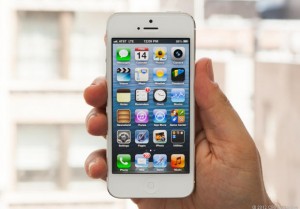
August 28th, 2013 (InsideCostaRica.com) Between May 2012 and May 2013, the Telecommunications Superintendent (SUTEL) blocked 75,595 stolen cell phones – an average of some 6,300 per month.
The blocking mechanism adopted by SUTEL has become commonplace throughout the world. The system is activated when a user reports that their cellular phone has been stolen, at which time the IMEI (International Mobile Equipment Identity) of the phone is placed on a “blacklist” handled by the GSM Association, which represents more than 800 service providers in 219 countries worldwide.
When a GSM chip is placed in a stolen phone on the blacklist, participating operators lock the phone and render it unusable, even if the chip has been changed.
However, thieves have found ways to alter the IMEI number of stolen phones using software found on the Internet, and reports even exist of small shops providing the unauthorized service.
SUTEL says that the blocking system is intended to discourage the theft of mobile phones, but is only capable of blocking the devices, not locating them.
While statistics indicate that the theft of mobile phones is on the rise, so in the number of mobile phones – nearly 3.5 million new phones came to the Costa Rican market between 2009 and 2013.

ATTENTION: If you are seeing this message,

